
M.I.R. METHOD
Performance comes from what sits underneath.
Most performance work focuses on the role itself – technique, tactics, skills, and strategy. The M.I.R. Method works from the inside out, helping you understand which layer is under pressure so you can regulate your nervous system and perform with clarity, confidence, and consistency.
We are more than our roles
In today’s world, it is easy to identify ourselves with our roles. However, whatever your passion, profession, or career is, that is just one of your many layers.
Most performance work begins and ends at the role itself – the technique, talent, tactics, skills, strategies, teamwork, and so on. What often gets overlooked is what sits underneath the role and determines how consistently it can be expressed.
Performance does not originate at the role level. It emerges from layers beneath it.
A three-layer view of performance
We can say there are many layers to any human but, speaking of high-performing individuals, we can identify three interconnected layers.
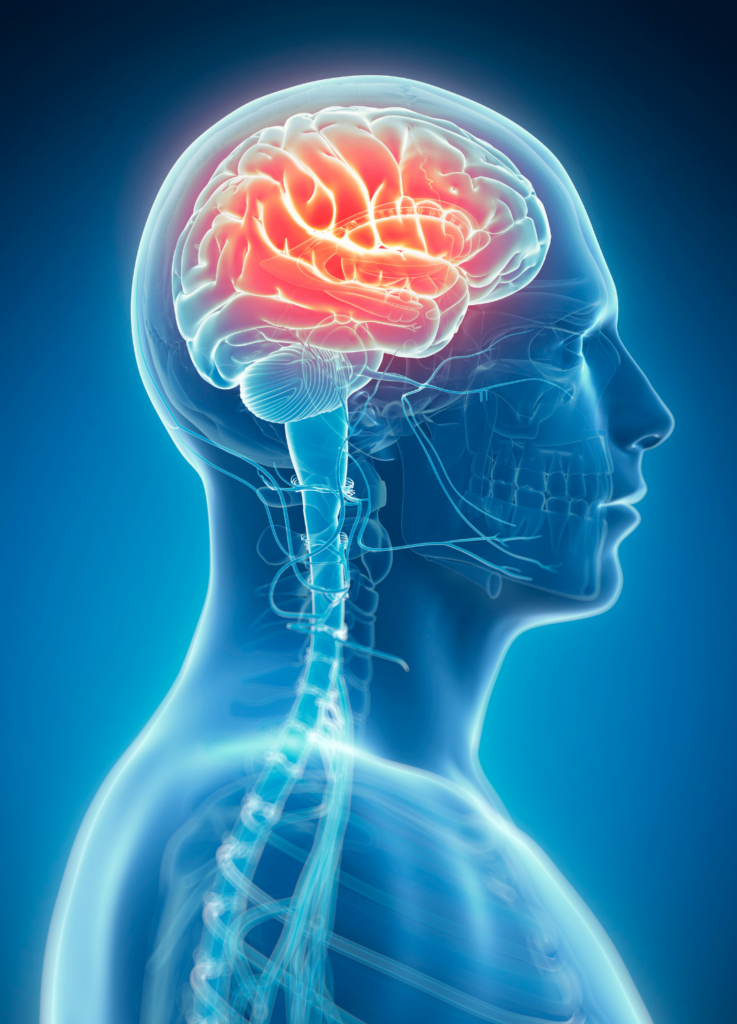
Layer 1
The human layer
This is our core. The foundation of everything we do. This layer represents our deep beliefs and how we view the world. It directly influences all other layers.
Layer 2
The performer layer
This is the bridge layer between our invisible core and our visible, surface layer that people recognise. This layer is not separate from the human layer – it is shaped by it.

Layer 3
The role layer
This is our visible layer by which people recognise us – the role we play. This is also where performance is measured, judged, and rewarded. But it is also the layer with the least stability if the layers beneath it are ignored.
Inside out
Working from the inside out
Many performance challenges are misidentified as technical or motivational issues when they are, in fact, misalignments between layers.
Our work does not start by fixing the role. It starts by understanding which layer is under pressure. From there, clarity emerges – not through force, but through alignment.
Whether we work with individuals, small groups, or teams, the principle remains the same: sustainable performance is built by working on our core layer, equipping it with tools and strategies to fully express its whole potential.
M.I.R. Coaching
If this way of seeing performance resonates, the next step is simply a conversation – an opportunity to explore compatibility, context, and direction.